romance manga continues to be one of the most captivating and emotionally resonant genres in the world of manga. It encapsulates the myriad dimensions of love—from innocent crushes to complicated relationships, complex emotions to cultural nuances—making it a compelling genre for readers across all ages. Whether you’re new to manga or a seasoned enthusiast, delving into romance manga offers a deep well of stories that explore human connection in all its forms, providing both escapism and reflection. The appeal of romance manga lies in its power to evoke empathy, its engaging storytelling, and its beautiful artwork, all of which combine to create a universe where love, in its many shades, takes center stage.
For many fans, romance manga isn’t just about reading stories; it’s about experiencing the ups and downs of relationships vicariously. The genre’s versatility—from heartwarming shoujo tales to more mature josei series—ensures there’s a story for everyone. Its capacity to portray authentic feelings and explore cultural attitudes towards love makes it a genre that is both universal and uniquely localized. As we explore the rich landscape of romance manga further, we'll uncover its enduring appeal, key tropes, demographic diversity, artistic expression, and evolving future.
Exploring the Enduring Appeal of Romance Manga
The enduring appeal of romance manga lies in its ability to simultaneously entertain and resonate emotionally with readers. Unlike other genres that may focus heavily on action, adventure, or fantasy, romance manga centers on the human experience of love—the hope, heartbreak, longing, and joy that come with relationships. This focus creates a unique intimacy between the story and the reader, allowing one to see reflections of their own feelings and experiences. Coupled with captivating characters and emotionally charged storytelling, romance manga offers a cathartic experience that can comfort, inspire, or simply entertain.
Moreover, romance manga often navigates complex social and cultural themes, providing readers with insights into how love is perceived and practiced across different societies. This genre’s flexibility to include humor, drama, fantasy, or realism makes it accessible to a wide audience. Its social relevance, combined with the universal human desire for connection, ensures that romance manga remains a vital part of manga culture — continuously evolving, yet always rooted in the timeless theme of love. Its ability to evoke empathy and provoke personal reflection is what sustains its popularity across generations.
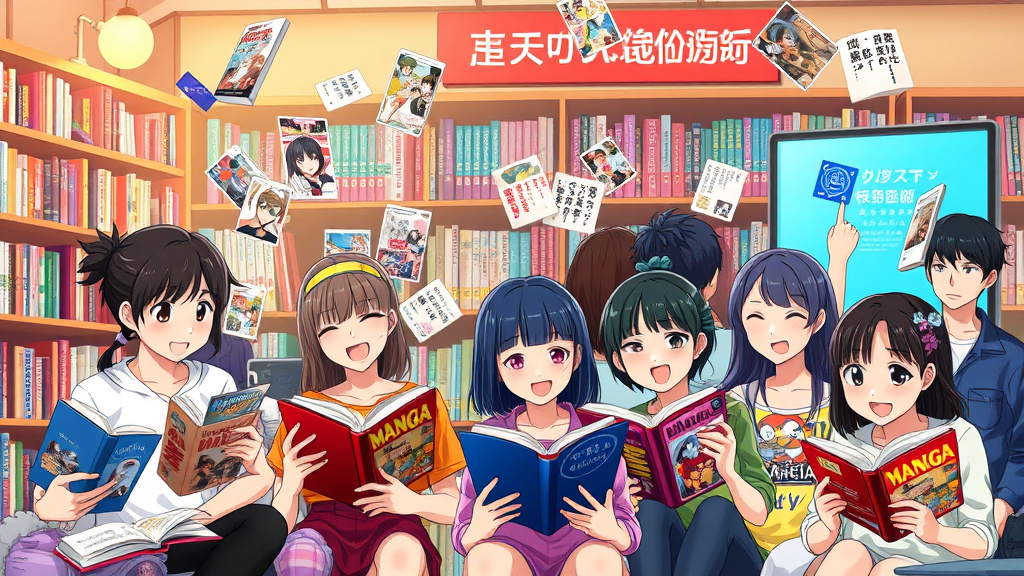
 Hình minh họa: best site to read manga – romance manga
Key Tropes and Archetypes in Romance Manga: A Comprehensive Overview
Romance manga is rich with recognizable tropes and archetypes that serve as the backbone of many stories within the genre. From childhood friends turned lovers to the mysterious love interest—these familiar narrative beats create a sense of comfort while allowing writers to breathe new life into them through innovative storytelling. The “love triangle” is perhaps one of the most persistent cliches, used to heighten tension and evoke emotional conflict as characters grapple with their feelings and loyalty. Such classic devices are appealing because they evoke shared cultural notions of romance, making the stories instantly relatable.
Archetypes also include the “tsundere” girl, who initially appears cold or hostile but gradually reveals her tender side, and the “gentle” hero or heroine who embodies kindness and patience. The “fantasy love rival” adds an element of rivalry and competition, heightening drama and stakes. Yet, what makes these tropes fascinating in romance manga is how authors subvert or deepen them—turning predictability into opportunity for character growth. This intricate balance of familiarity and novelty sustains reader interest and ensures these stories remain fresh and engaging over time.
From Shoujo to Josei: Understanding the Demographics of Romance Manga
Romance manga spans a diverse array of demographics, each with distinctive themes, storytelling styles, and audience expectations. Shoujo manga primarily targets young girls and often features lighthearted, emotional, and visually appealing stories rooted in innocence, first love, and personal growth. These series tend to focus on high school settings, coming-of-age issues, and relatable romantic dilemmas, often blended with elements of humor and friendship. As a genre, shoujo captures the vigor of youthful romance while sometimes exploring deeper emotional conflicts.
In contrast, josei manga caters to adult women and often presents more mature, nuanced depictions of love and relationships. The themes are complex, with topics like career struggles, real-world adult relationships, and emotional intimacy taking center stage. The narrative tone is often more realistic and darker, reflecting the complexities of real-life relationships and personal identity. Understanding these demographic distinctions enhances appreciation for the genre’s versatility, as romance manga adeptly adapts its storytelling to resonate with different life stages and emotional experiences, highlighting its universal yet diverse appeal.
Beyond the Stereotypes: Examining Diversity and Representation in Romance Manga
While romance manga has historically been criticized for leaning on stereotypical characters and gender roles, contemporary creators are pushing boundaries to include more diverse and representative stories. LGBTQ+ themes are increasingly visible, with mangas depicting same-sex love and alternative relationship structures, making love stories more inclusive. These narratives explore love beyond the traditional heterosexual framework, offering experiences that resonate with a broader audience and challenge societal norms.
Furthermore, there is a growing effort within the genre to portray a wider array of body types, cultural backgrounds, and personal identities. Some manga explore non-traditional family dynamics, interracial relationships, and characters with disabilities, contributing to a richer, more realistic tapestry of love experiences. This push for diversity not only reflects societal changes but also enhances the emotional depth and authenticity of romantic stories. As readers become more aware of representation issues, the future of romance manga looks promising in offering nuanced, inclusive, and meaningful portrayals of love.
The Art of Romantic Storytelling: Narrative Techniques in Manga
Romance manga employs a variety of narrative techniques to evoke emotion and build tension. One prominent approach is the use of internal monologue, allowing readers intimate access to characters’ thoughts and feelings, thereby deepening emotional engagement. Dialogue, often driven by subtle hints, misunderstandings, or heartfelt confessions, plays a crucial role in creating tension and catharsis within these stories. Additionally, pacing choices—such as moments of quiet reflection contrasting with dramatic confrontations—serve to heighten the emotional impact of key scenes.
Visual storytelling is equally important in manga. Panels are meticulously crafted to convey mood and atmosphere, with expressive character faces, body language, and symbolic visual cues heightening the romantic tension. The use of metaphorical imagery, such as blooming flowers or stormy skies, visually echoes emotional shifts for greater storytelling resonance. This fusion of narrative and visual artistry makes romance manga a uniquely immersive genre, capable of conveying complex feelings through a seamless blend of words, images, and symbolism.
A Visual Language of Love: Analyzing Art Styles in Romance Manga
The artistic style in romance manga is integral to its storytelling, shaping how love and emotion are perceived. Some series feature soft, delicate linework that emphasizes beauty, tenderness, and vulnerability, reinforcing themes of innocence or poetic romance. Conversely, more intense or mature stories may utilize bold, dramatic shading to illustrate passion, conflict, or emotional turmoil. The palette and composition choices in each manga serve to create atmosphere and influence reader mood, subtly guiding emotional responses.
Furthermore, character design plays a pivotal role in conveying identity and appeal. Eyes are often exaggerated to display innocence or longing, while facial expressions capture nuanced emotional shifts—an essential element in romance manga, where unspoken feelings can be as powerful as dialogue. The diversity of art styles within the genre—from the ornate and elegant to the minimalist and modern—reflects the wide emotional spectrum, allowing creators to tailor their visual storytelling to match the tone and message of their stories.
The Impact of Cultural Context on Romance Manga Themes
Cultural context deeply influences the themes and portrayals in romance manga. In Japan, societal expectations around marriage, gender roles, and filial piety shape how love stories unfold—often emphasizing duty, loyalty, and social harmony. This cultural backdrop influences how characters approach romance, making issues like arranged marriage, family approval, and societal perception recurrent themes. These elements add authenticity and cultural richness to the stories, offering readers insight into Japanese social norms and their evolution over time.
Globally, the reception and interpretation of romance manga are also shaped by local cultural attitudes towards love, gender, and sexuality. For example, Western readers might interpret certain tropes differently or crave more explicit or nuanced portrayals of intimacy. As manga continues to cross borders and gain international popularity, creators are increasingly blending cultural influences or challenging traditional norms—expanding the genre’s scope and relevance. This cultural interplay adds layers of complexity, making romance manga a dynamic reflection of societal values and changing perceptions of love worldwide.
Popular Romance Manga Series: A Critical Review and Recommendation Guide
Some romance manga series have stood the test of time due to their compelling storytelling, relatable characters, and artistic excellence. Classics like Fruits Basket, with its blend of romance, family drama, and supernatural elements, remains highly recommended for its emotional depth and character development. Modern favorites such as Horimiya excel at capturing the nuances of high school romance with humor and heart, appealing to a broad demographic.
For those interested in exploring beyond mainstream titles, series like Nana delve into mature themes of love, ambition, and friendship, offering a more realistic and gritty portrayal of romantic relationships. Recommendations should consider individual tastes—whether one prefers light-hearted love stories or more intense, emotional journeys. Critical reviews often highlight freshness in character dynamics, innovative visuals, and cultural authenticity — all qualities that make these series enduring and worth exploring.
Romance Manga Adaptation and Influence on Other Media
Adaptations of romance manga—whether as anime, live-action dramas, or films—play a significant role in expanding the genre’s influence. Successful adaptations often introduce the story to new audiences, deepen fan engagement, and elevate the source material’s popularity. For instance, anime adaptations tend to amplify visual cues, soundtrack, and pacing to intensify romantic tension, resulting in a richer, multisensory experience that complements the original manga.
Moreover, the influence of romance manga extends beyond just adaptation; it shapes other media and pop culture. Elements like character archetypes, storytelling tropes, and visual aesthetics inspire a wide array of romantic anime, novels, and even Western media. The genre’s interpretative flexibility allows creators globally to borrow motifs, innovate storytelling techniques, and contribute to a shared cultural vocabulary of love narratives. This cross-pollination sustains the genre’s vibrancy and relevance in contemporary media.
The Future of Romance Manga - Trends and Innovations in the Genre
Looking ahead, romance manga is poised for exciting growth driven by technological advances and changing societal attitudes. Digital manga platforms increase accessibility, allowing creators to experiment with interactive storytelling, multimedia integration, and webcomics—reaching a broader and more diverse audience. Innovative formats like QR code-linked stories or animated manga panels are some ways the genre is evolving into new storytelling realms.
Additionally, themes are expanding as creators challenge traditional notions of love and relationships, exploring polyamory, asexuality, and other contemporary concerns. Inclusivity, diversity, and nuanced character development are becoming central to modern romance manga, reflecting a more realistic and accepting view of love’s many forms. As cultural conversations around gender, identity, and emotional well-being continue to evolve, so too will the stories that explore love, hope, and human connection—ensuring romance manga remains a vital, innovative genre for generations to come.
Conclusion
In sum, romance manga’s enduring appeal lies in its ability to beautifully capture the complexity and variety of love through emotionally rich storytelling, iconic tropes, diverse characters, and stunning artwork. Its evolution across different demographics and cultural contexts demonstrates its adaptability and relevance, while innovative narrative techniques and artistic styles continue to captivate audiences worldwide. The ongoing growth of manga adaptations and thematic explorations signals a vibrant future, promising new ways to experience love through this beloved genre. Whether exploring traditional themes or breaking new ground, romance manga remains a universal and compelling genre that speaks to the deepest aspects of the human heart.